Related Information!
Diego W.
Well... what could I say about myself?
Let’s start with geography, haha. I’m from the south of Chile, near the city of Concepción. Born and raised just steps from the ocean, right in the coastal area of the region.
Honestly, I’ve done a bit of everything throughout my life. I’ve tried all sorts of things, traveled around a bit (in chile, and I definitely want to keep doing that), fallen down a few times and gotten back up again. I’ve worked all kinds of jobs too.
Today, I’m a sociologist. I studied for five years at the University of Concepción, where I built my academic background, but more than anything, I ended up falling in love with writing, research, getting involved with communities, or simply observing the bigger picture.
I’m mostly drawn to qualitative methods, although I also work with quantitative approaches. I use software like SPSS, R, Atlas.ti, and I know my way around HTML and other things too. But honestly, what I like about qualitative work is the freedom behind it — the possibility of interpreting things without always following rigid academic structures or predefined paths (even though, of course, that’s not always the case).
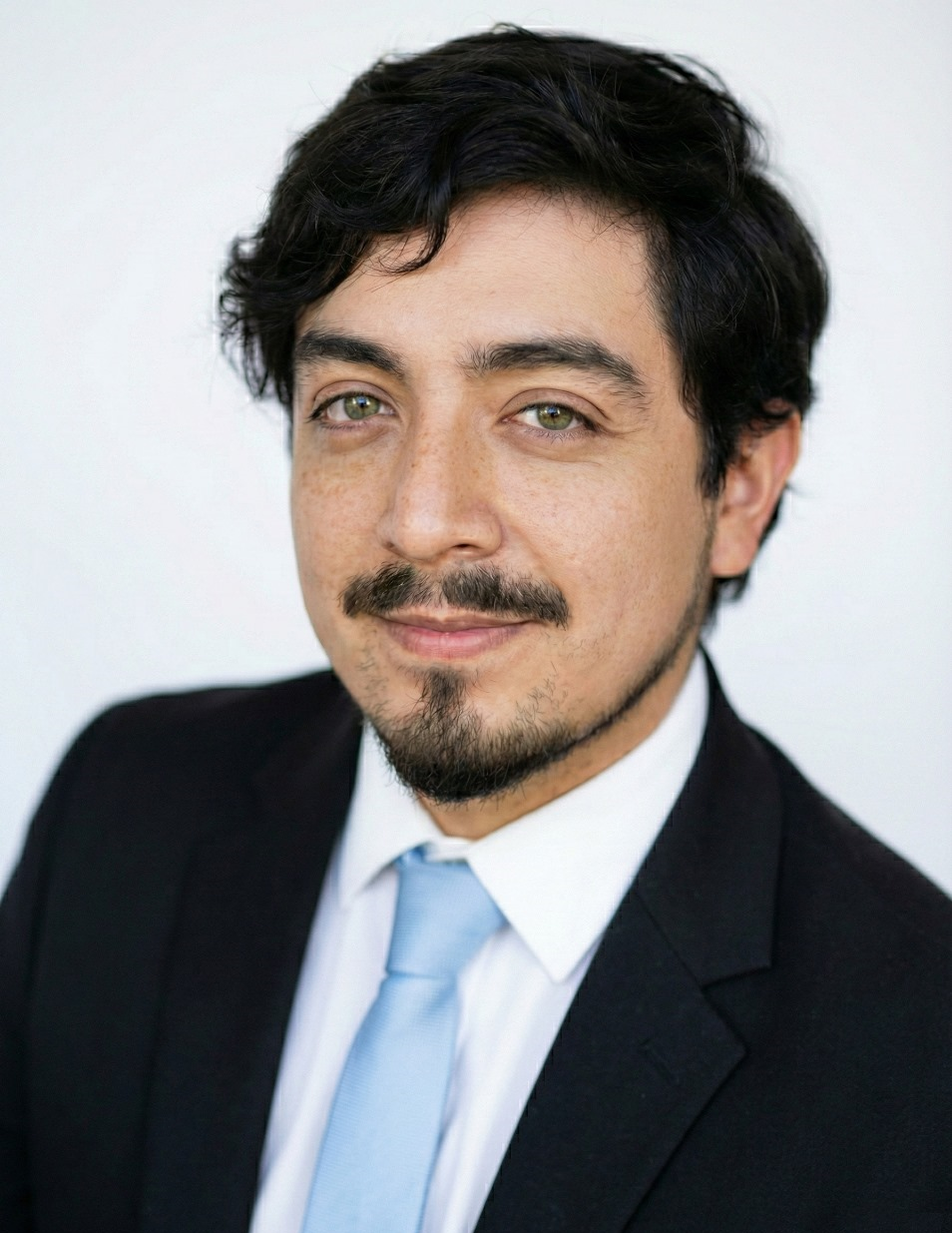
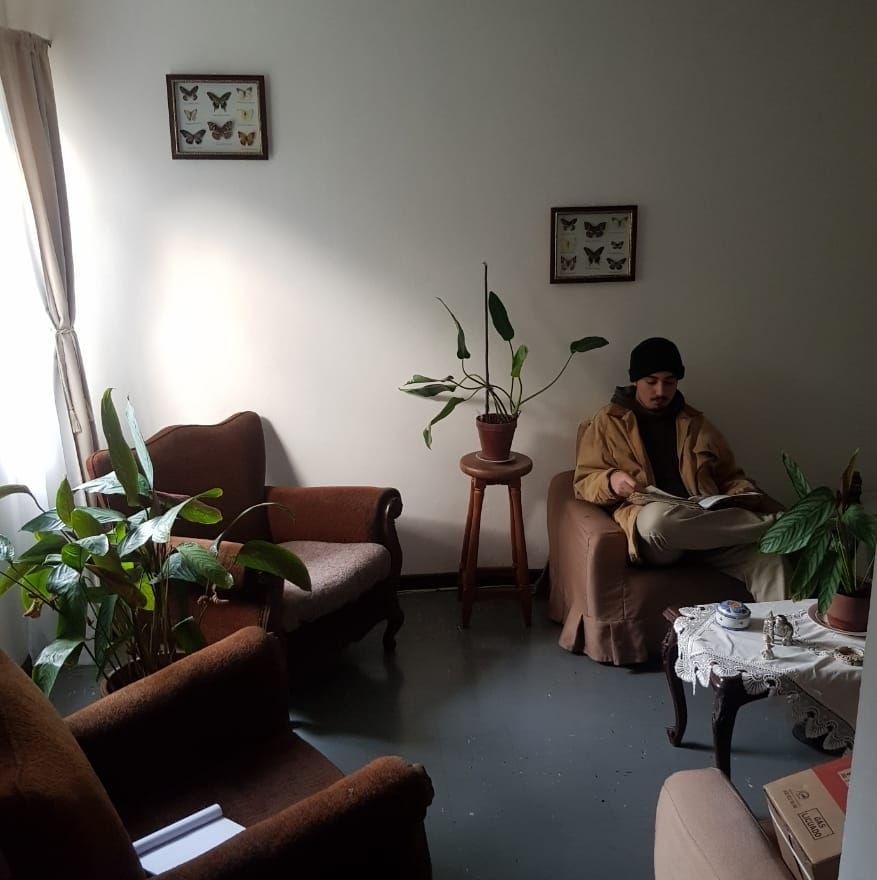
I'll leave you a professional profile picture jajaja. I'll also pin a more personal page with photos, creations, music I've made, graffiti, tattoos, essays, that kind of stuff.
Greetings!!!!!!!!!!
Revista 639
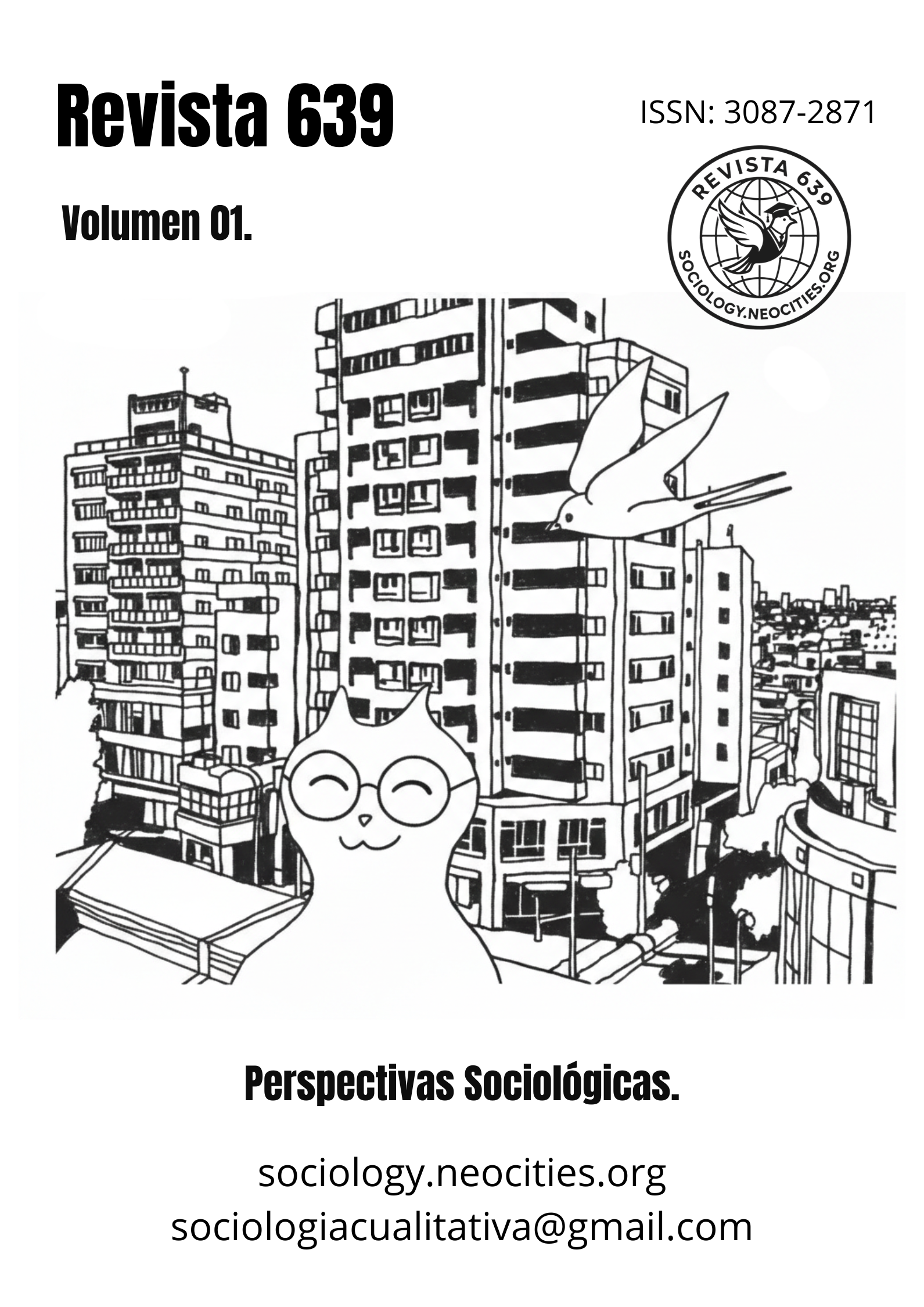
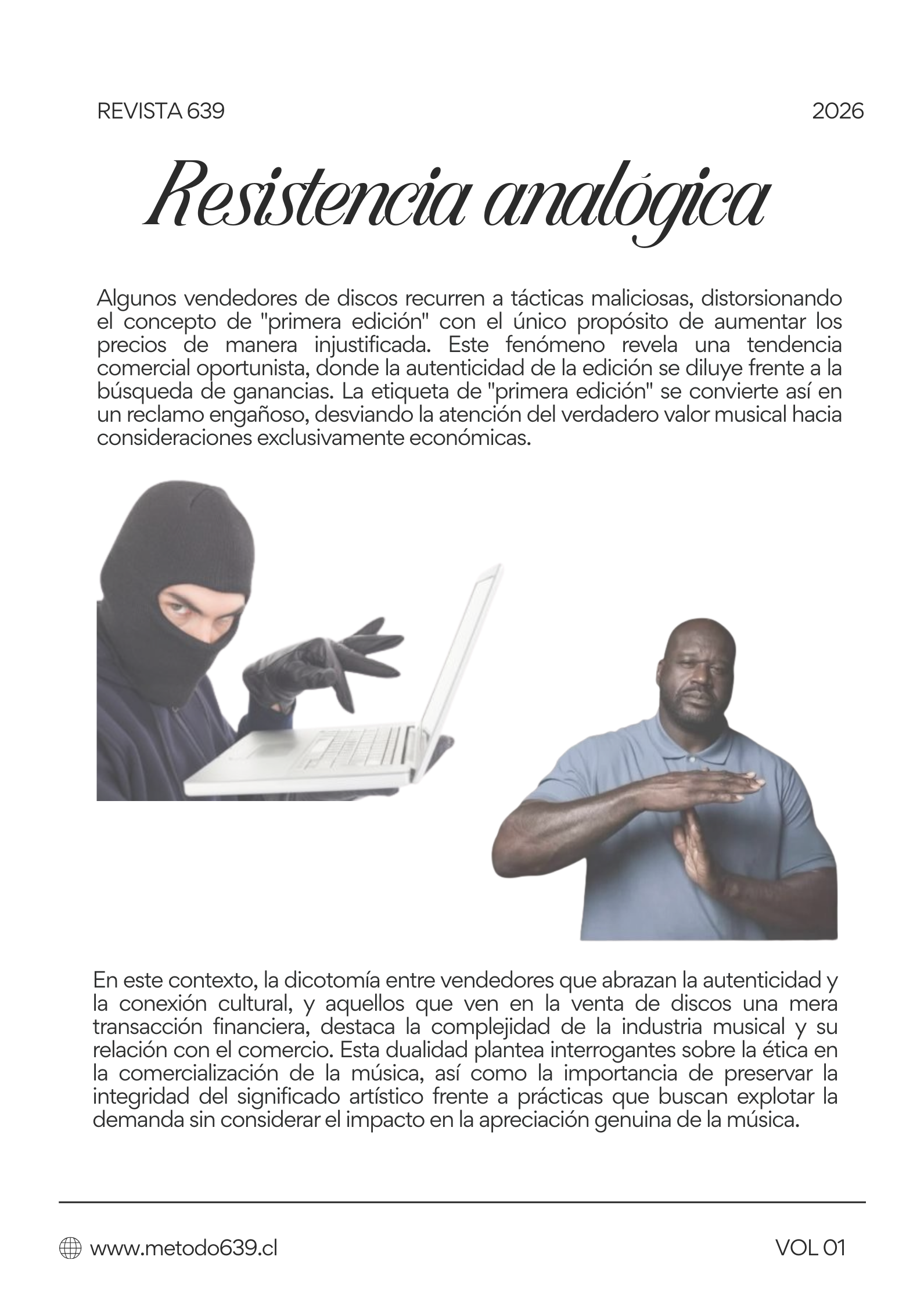
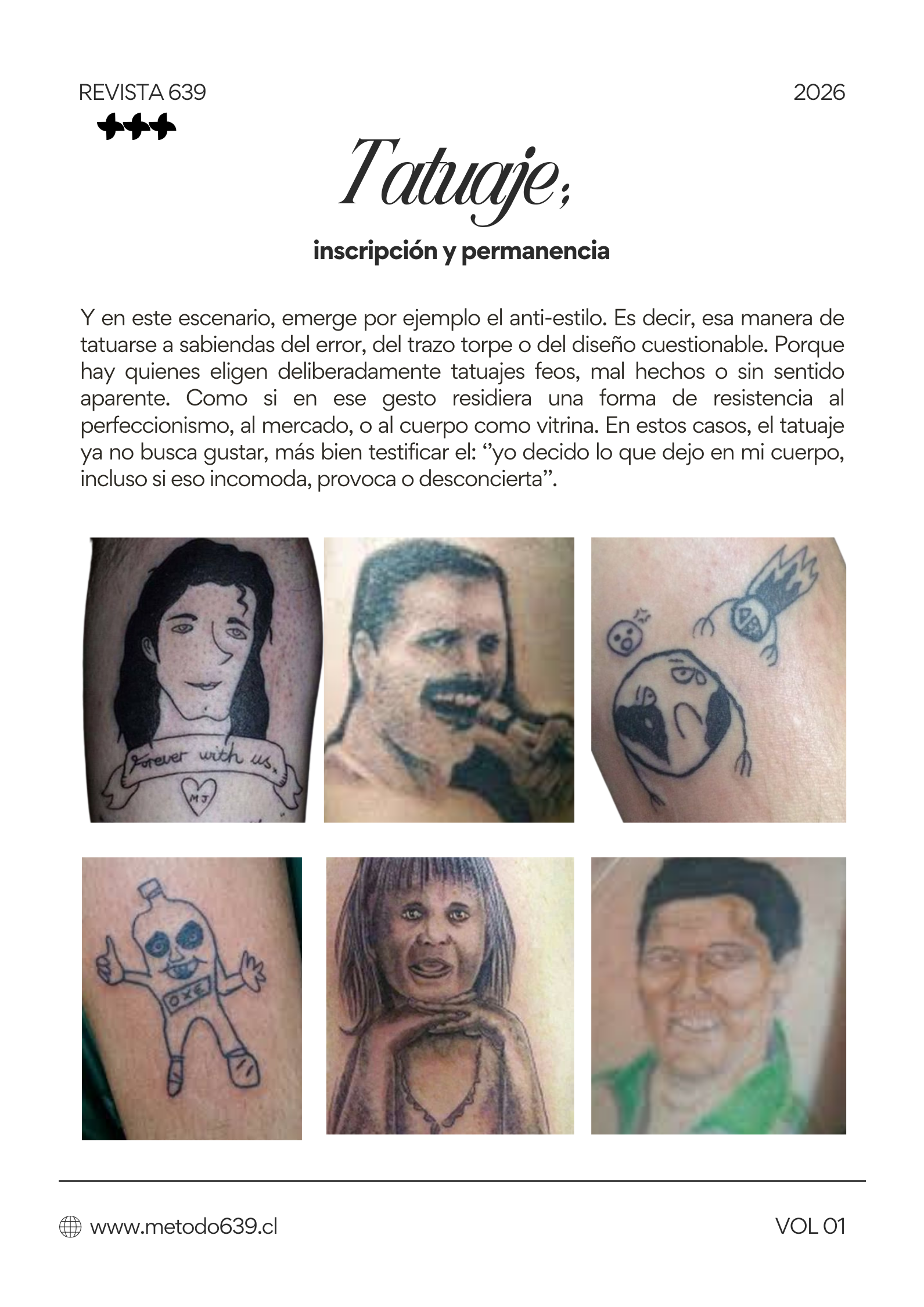
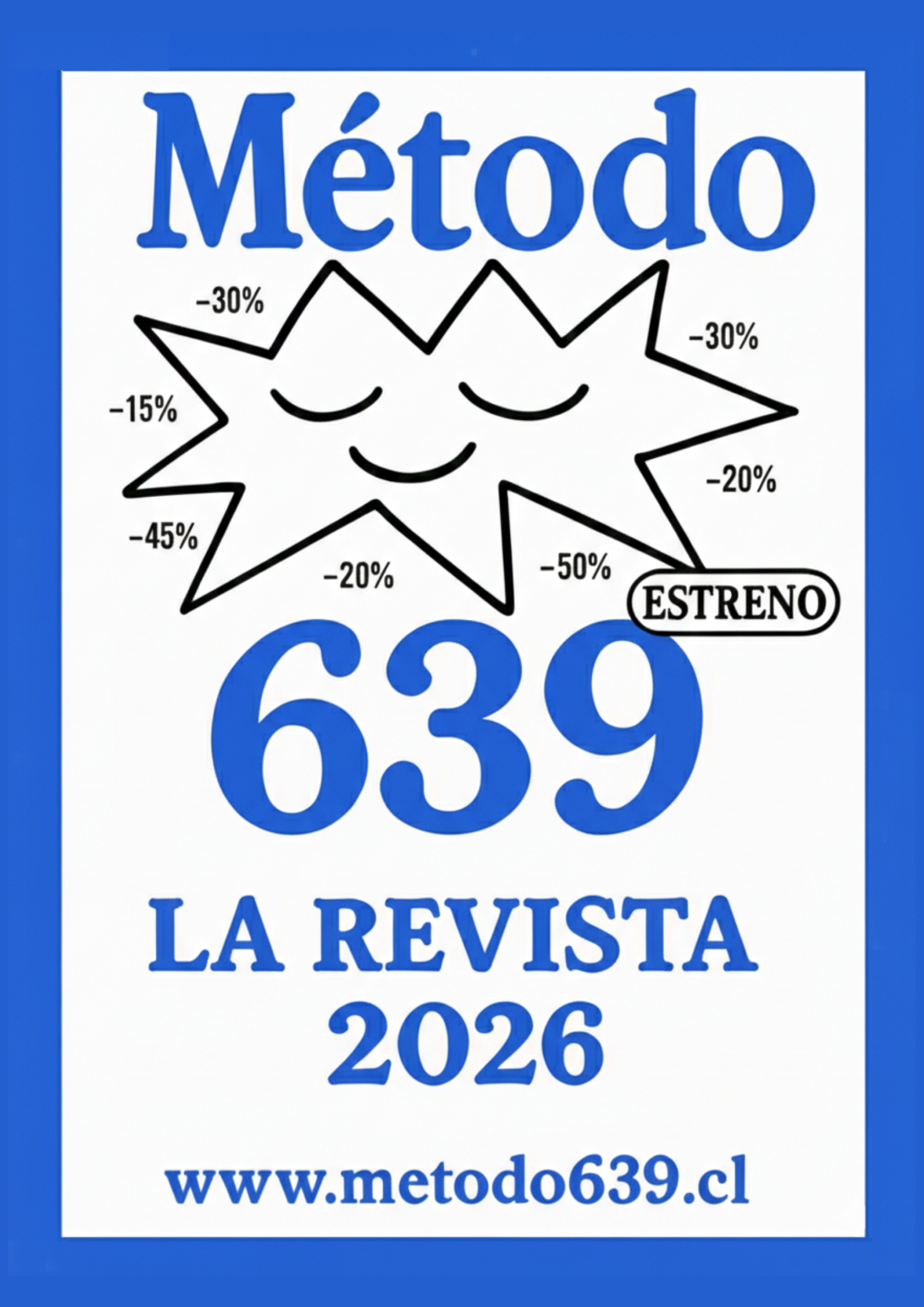
I can also tell you that, in my free time, I’ve been working on a magazine called “Revista 639.” It’s an independent editorial project, completely self-managed. I managed to sell a few limited physical copies, all hand-bound at home with patience and care.
The content mainly revolves around qualitative research, where I try to understand and analyze social dogmas. One thing that defines the project is the use of solid bibliographic references in APA 7 format — a bit old-school in spirit, which I appreciate. So far, the magazine has been written in my native language, Spanish, though I’m already working on translating its content properly into English.
I’ve received genuinely positive feedback about the project, although due to financial limitations I wasn’t able to continue producing physical copies :(
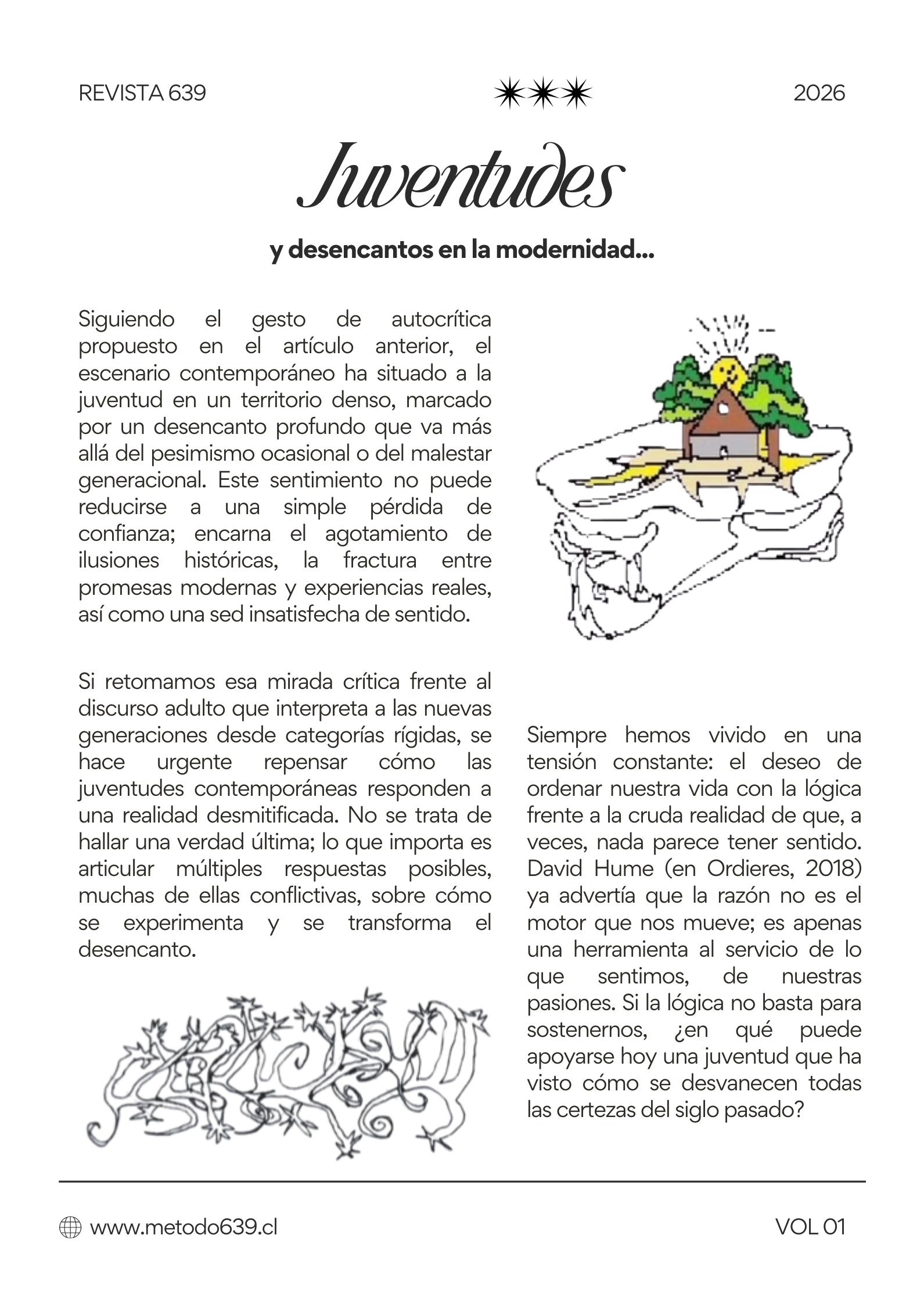
Here you have the cover and some pages of the magazine in digital format.
Método 639
To wrap up this 'formal' or 'academic' introduction, I’d like to share what keeps me busy these days. While I’m still navigating the hunt for a traditional role in sociology, I’ve been channeling my energy into supporting students with their theses and research projects.
I see this work as a form of ethical accompaniment. My goal isn’t to steer their ideas or impose my own perspective—I know how frustrating the process can be, and I’ve been in those shoes myself. Instead, I step in to help with the technical side: managing software, organizing bibliographies, building theoretical frameworks, or interpreting data. I’m essentially a partner in their process, making sure their own vision comes to life as clearly as possible.
Most of the projects I support are linked to the social sciences, although I’ve also worked with people from other disciplines who need help organizing complex information, strengthening their arguments, or navigating the research process.
Depending on the needs of each project, I can assist with literature reviews, APA 7 formatting, qualitative coding, interview analysis, survey interpretation, research design, thesis structure, academic writing, and the use of software such as Atlas.ti, SPSS, and R. Sometimes the challenge is methodological; other times it's simply overcoming the feeling of being completely stuck in front of a blank page.
What interests me most is helping people transform scattered ideas into coherent projects. Research can become overwhelming very quickly, especially when academic requirements start piling up. Having someone to discuss concepts with, review decisions, or troubleshoot technical issues often makes the process much more manageable.
I don't see research as a mechanical task. Every project has its own logic, objectives, and questions. Because of that, I try to adapt my support to each person rather than forcing a standardized formula. Some people need help building a methodology, others need support analyzing results, and some simply need a second pair of eyes capable of identifying blind spots before submission.
Some of My Work Experience!
Well, now I’m really wrapping this up jajaja.
I’ll tell you a bit about my work experiences.
Ever since I was a kid, I’ve been interested in business and finding ways to make money. Around the age of 12, I used to go to a local flea market in Concepción (Plaza España) to sell clothes from my family — my aunts and uncles would give me shoes, t-shirts, scarves, hats, things like that. At the same time, I was selling sandwiches at the beach for around 1 USD each. I’d make about 30 sandwiches and most days I sold every single one.
As I got older, I started working in all kinds of jobs: cleaner, dishwasher, waiter, doorman, grocery packer... and a few others too. In parallel, I also sold clothes in downtown Concepción.
My most formal work experience was during my professional internship, where I worked with the local municipality. There, I was in direct contact with hospitals, schools, firefighters, and neighborhood organizations. A big part of my work involved dealing with people struggling with addiction.
That experience taught me a lot. It was heavy sometimes.
You quickly realize that theory alone often collapses when it meets real life. People are not case studies, and reality rarely behaves in orderly academic categories. In those environments, you need intuition, patience, and the ability to read situations beyond methodology itself. Sometimes you have to adapt your approach completely — different ways of speaking, different forms of trust, different emotional codes. You learn that behind every “social problem” there’s an entire world operating with its own logic, tensions, survival mechanisms, and silent rules.
That was probably one of the first times I truly understood that qualitative work is not just about observing reality, but about learning how to move inside it without pretending you fully understand it from the outside.